Lulu's Unique Imprint Requirement: A Flawed Policy That Hurts Self-Publishers
Lulu requires unique imprint names, but ISBN agencies have no such rule. Publishers routinely use different imprints than what's registered. Here's why Lulu's policy is flawed and what it means for self-publishers.
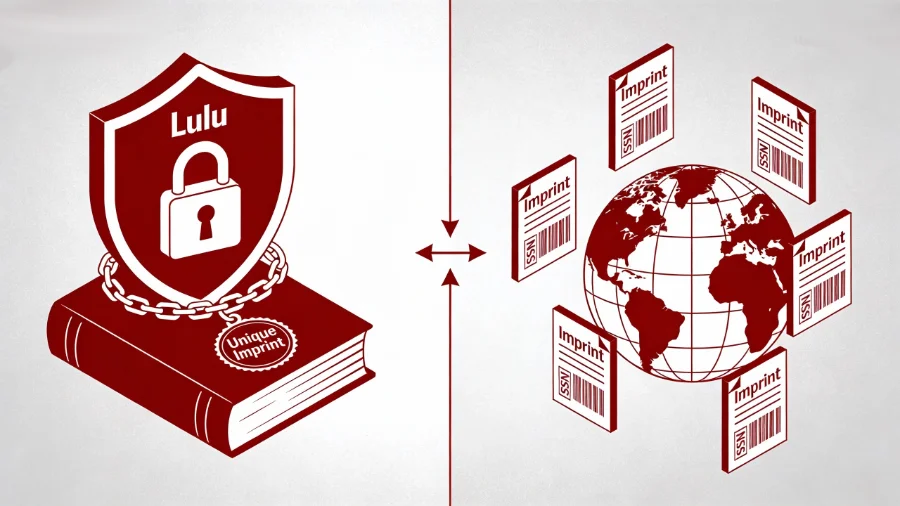
Lulu.com has a strict policy: your imprint name must be unique within their system. On the surface, this sounds reasonable. But when you understand how ISBN registration actually works, this requirement becomes absurd, and it’s costing Lulu customers.
The Reality of ISBN Imprint Registration
Here’s what Lulu’s policy ignores: ISBN agencies don’t require unique imprint names.
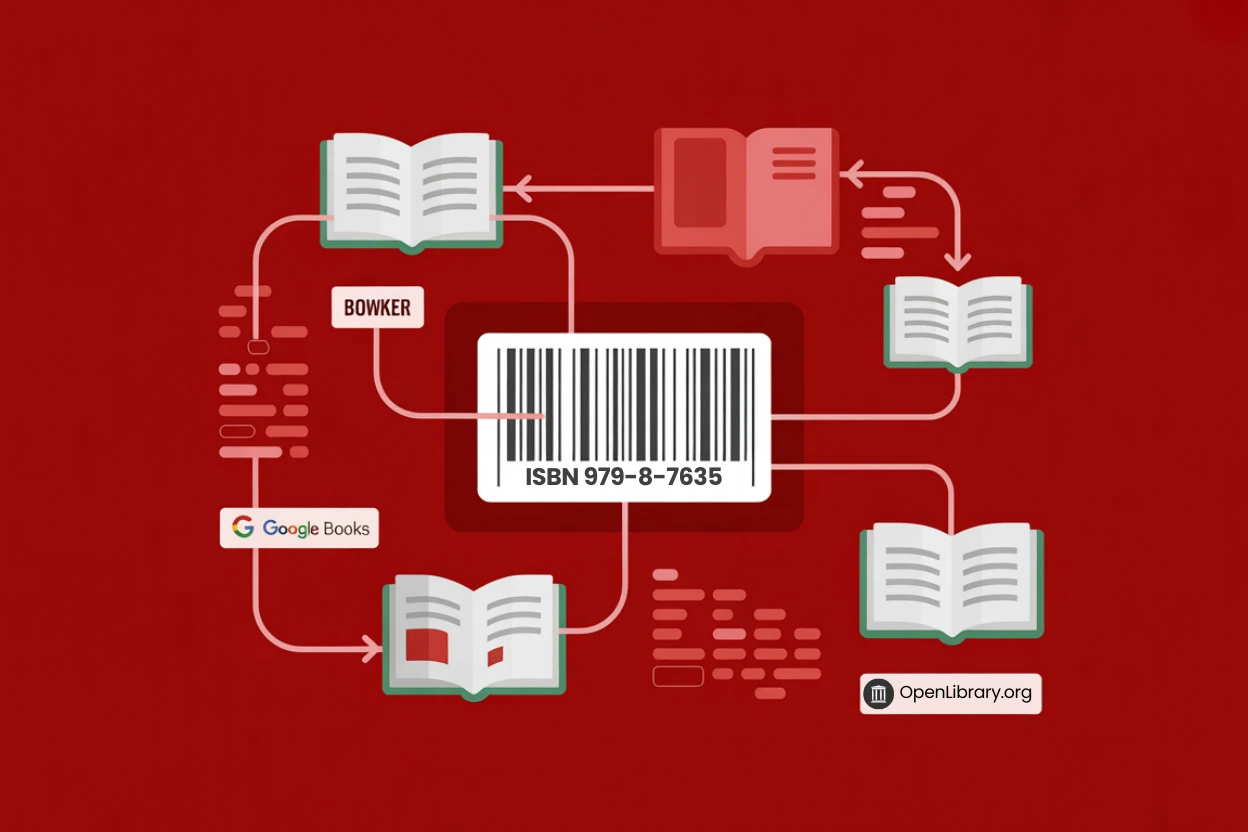
When you purchase an ISBN from Bowker or your national ISBN agency, you register it under a publisher name. But here’s the key point that Lulu’s policy misses:
- There is no authentication or validation of imprint names during book publication
- Publishers can use an entirely different imprint name than what’s registered with their ISBN
- The US ISBN Agency even allows publishers to add additional imprint names to existing ISBNs
In other words, the ISBN system is flexible by design. There’s no enforcement mechanism tying a specific book to the exact imprint name on file.
How Major Publishers Actually Use Imprints
Large publishing houses demonstrate exactly why Lulu’s policy doesn’t reflect industry reality. Big publishers routinely use different imprint names for different genres and divisions:
- “ABC Publishing Romance” for romance titles
- “ABC Publishing Thriller” for thriller titles
- “ABC Publishing Children’s” for kids’ books
Yet all these imprints might be registered under a single parent company name with the ISBN agency. There’s no requirement that the imprint on the book matches the registered publisher name.
Self-Publishers and Personal Names
Many self-publishers don’t have formal imprint names at all. They use their personal name as the publisher, and there’s nothing wrong with this. The ISBN agency doesn’t place any restrictions. It’s entirely up to the publisher.
Common imprint names like “John Smith Publishing” or “Creative Books Press” are used by countless independent authors. The ISBN system handles this without issue.
But on Lulu? If someone else used that name first, you’re locked out.
Why Lulu’s Policy Defeats Its Own Purpose
Lulu’s reasoning for requiring unique imprints presumably relates to tracking and organization within their system. But consider the contradiction:
- You do your due diligence and research your imprint name
- You check for trademarks (the actual legal concern)
- You purchase your ISBN and register it properly
- You try to publish on Lulu.com, and get rejected because someone else already used that imprint name on their platform
Your legitimately registered ISBN becomes unusable on Lulu because of their internal database constraint.
This is a platform limitation masquerading as a publishing standard.
Lulu is losing customers over this policy. Self-publishers with common imprint names find themselves blocked with no clear path forward.
When authors contact Lulu support, they’re told: “Our system doesn’t accept the same imprint used in two different accounts.”
That’s it. No workaround. No guidance.
Authors are left asking questions that shouldn’t need to be asked:
- Should I check Lulu’s internal system before registering my ISBN?
- Can I use any imprint name as long as it’s unique within Lulu, even if it doesn’t match my ISBN registration?
- Do I need to buy new ISBNs just to publish on this one platform?
What Self-Publishers Should Actually Do
The real advice for protecting your imprint name has nothing to do with Lulu’s database:
- Do a trademark search before committing to an imprint name, this is the actual legal protection that matters
- Register your ISBN with your chosen imprint name through the official agency
- Secure the domain name for your publishing brand
If you’ve done all this and Lulu still rejects your imprint name, the problem is Lulu’s policy, not your publishing decisions.
The Bigger Picture
Authors have choices. If Lulu’s arbitrary unique imprint requirement blocks you from publishing, there are alternatives:
- IngramSpark doesn’t have this limitation
- Amazon KDP uses their own ISBN system
- Barnes & Noble Press offers flexible publishing options
A platform policy should help authors publish, not create artificial barriers based on internal database constraints that have no basis in how the ISBN system actually works.
Conclusion
Having a unique imprint name is good practice. Doing trademark research before committing to a publishing brand is smart. But Lulu’s enforcement of unique imprints within their platform, when ISBN agencies themselves have no such requirement,is a self-imposed limitation that hurts self-publishers without serving any meaningful purpose.
If Lulu wants to retain authors who bring their own ISBNs, they need to rethink this policy or at minimum provide clear guidance for authors caught in this situation.

Araix Rand
Book Publicist
Araix has been helping authors with self-publishing and marketing their books. Additionally, he writes for various business and marketing blogs.
More posts by Araix Rand