GS1 and ISO: The Global Infrastructure of Identification
A deep dive into the roles of GS1 and ISO. Learn how these two distinct organizations control the standards and supply chains that power global trade, including the ISBN.
If you work in manufacturing, logistics, or publishing, you live your life governed by acronyms. Two of the most powerful, yet often conflated, are ISO and GS1.
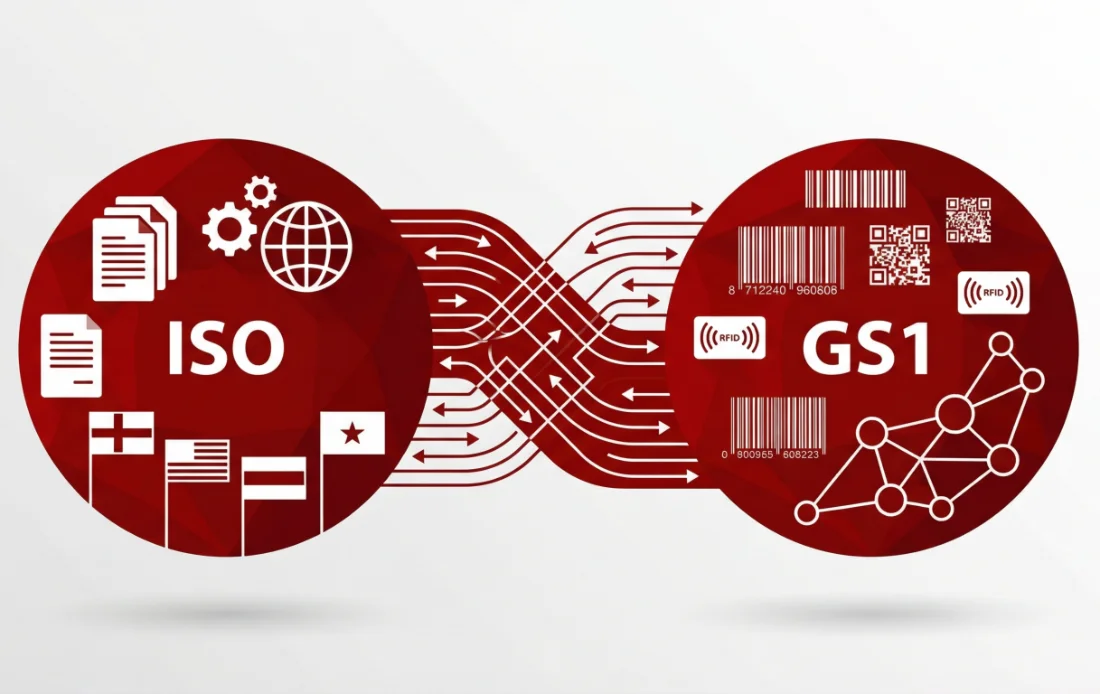
While they might seem like bureaucratic twins, they perform fundamentally different roles in the global economy. One writes the laws of reality (what is a “date”? what is a “country”?), while the other builds the highways those realities travel on (barcodes, RFID, supply chains).
For us in the publishing world, these two giants collide in the form of the ISBN. But their influence stretches far beyond books.
Let’s compare how these organizations work, how they differ, and the “double monopoly” they create in global trade.
ISO: The Legislature of Reality
The International Organization for Standardization (ISO) is essentially a federation of national standards bodies (like ANSI in the US or BSI in the UK).
Their job is to agree on definitions.
ISO doesn’t “sell” you a product in the traditional sense; they sell knowledge and consensus. They gather experts to define best practices for everything from food safety management to how dates should be formatted (ISO 8601, the best standard, fight me).
How ISO Works
ISO operates like a global legislature. Technical committees draft standards, member countries vote on them, and once published, they become the global reference point.
For authors, the most relevant standard is ISO 2108. This document defines what an ISBN is: its structure, its checksum validation, and its metadata requirements. ISO said, “A book needs a unique identifier,” and wrote the rules for creating one.
However, ISO is famously a “pay-to-play” knowledge base. You can’t just read an ISO standard for free; you have to buy the PDF, often for hundreds of dollars. This restricts access to the “source code” of our industrial civilization to those who can afford the entrance fee.
GS1: The Highway System of Commerce
If ISO creates the idea of a standard, GS1 (Global Standards 1) creates the implementation.
GS1 is a non-profit organization that develops and maintains global standards for business communication. They are best known for the barcode specifically, the ubiquitous “beep” at the checkout counter.
How GS1 Works
GS1 is focused on execution. They manage the GTIN (Global Trade Item Number) system, which ensures that every product in a supply chain has a globally unique number.
Unlike ISO, which sells you a document, GS1 sells you a license. To get a barcode prefix for your company (so you can sell widgets at Walmart), you must pay GS1 an annual licensing fee. They effectively own the namespace of global commerce.
The Collision: Where ISBNs Meet EANs
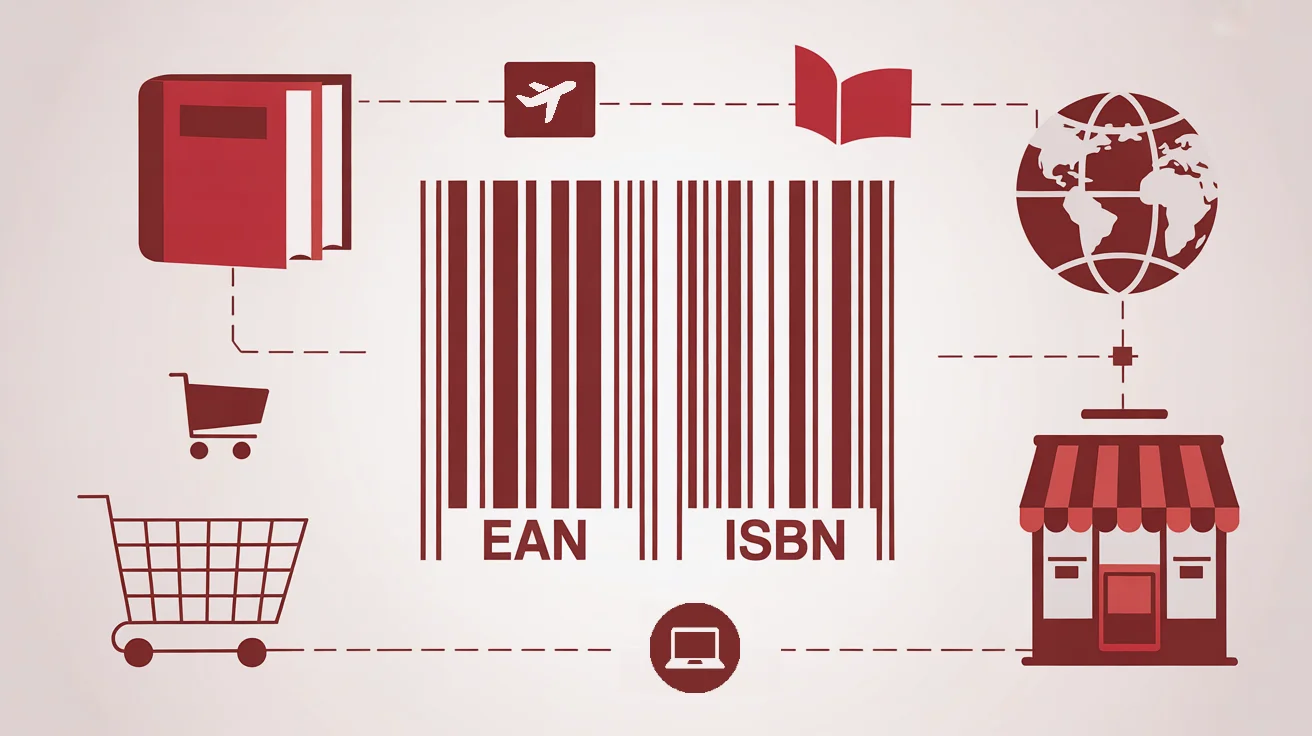
For a long time, books and retail products spoke different languages. Books used 10-digit ISBNs (an ISO standard), while retail products used 12 or 13-digit UPC/EANs (a GS1 standard).
This changed in 2007. To harmonize the book industry with global retail, the two major standards had to merge.
This brings us to the concept of Bookland.
GS1 granted a specific prefix 978 to the book industry. This prefix is treated like a country code. By attaching 978 to the front of the ISBN, the text-based ISO standard (ISBN) was successfully wrapped inside the supply-chain-friendly GS1 standard (EAN-13).
Now, an ISBN is valid in both worlds:
- ISO World: It identifies the intellectual property and edition.
- GS1 World: It acts as a valid barcode that scans at a register.
For a deeper technical look at how these systems overlap, you can read our guide on the EAN System.
The Monopoly Problem: A Double Tax on Trade?
While these standards undeniably facilitate global trade allowing a book printed in India to be scanned seamlessly in a German warehouse, they come at a cost.
Critics often point out that we are operating under a “double monopoly.”
- ISO creates a copyright monopoly on the description of standards. You often have to pay to know the rules you are required to follow.
- GS1 creates a rent-seeking monopoly on the identity of products. You must rent your existence in the supply chain.
As noted in discussions on technology forums like Hacker News, this structure creates significant friction for small players. If you want to invent a new product, you face immediate bureaucratic taxes: purchasing the safety standards to ensure your product is legal, and then licensing the barcode to ensure it is sellable.
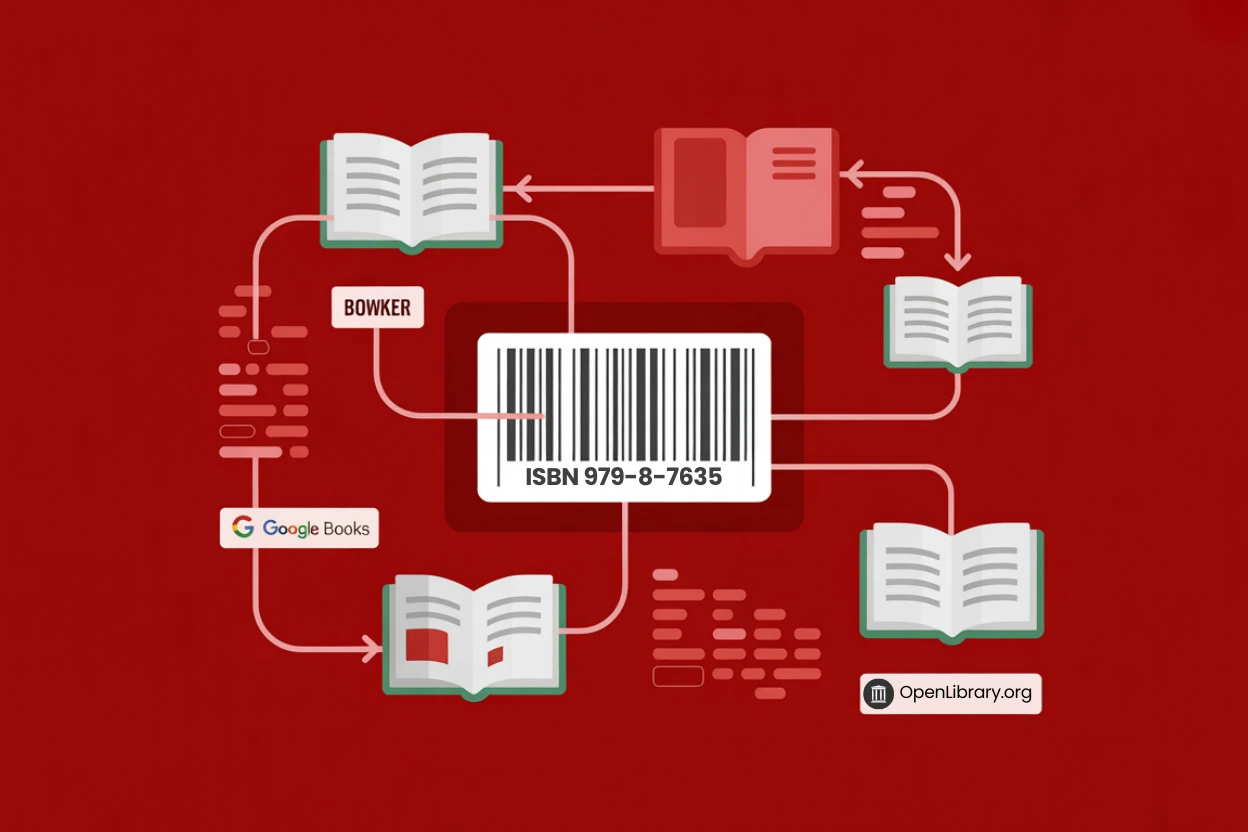
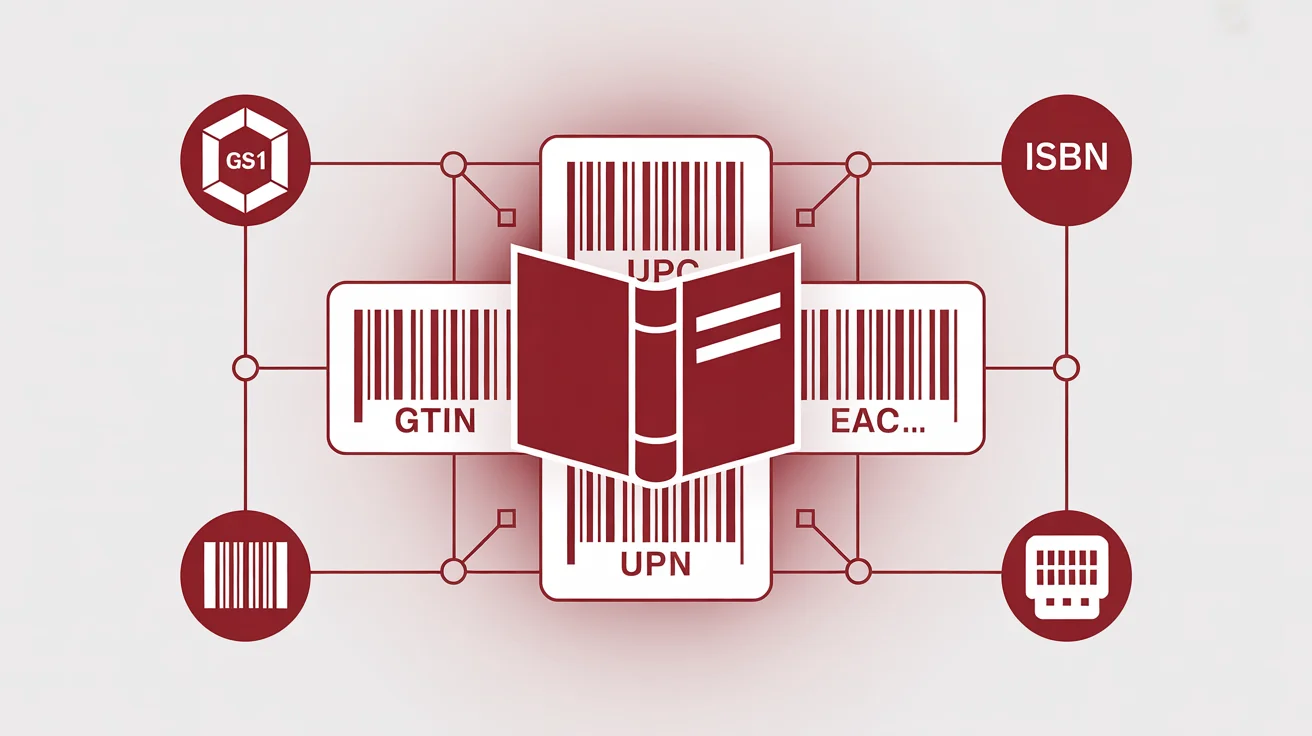
In the book world, we see this with the GTIN, UPC, and EAN confusion. New authors are often baffled why they have to pay an agency like Bowker (the US ISBN agency appointed by ISO) just to get a number.
Conclusion
ISO and GS1 are the invisible backend of the modern world. ISO provides the dictionary, defining what words mean. GS1 provides the postal system, ensuring the message gets delivered.
For professionals and authors alike, understanding the difference is crucial. It helps you navigate the ecosystem, understand why you pay the fees you pay, and appreciate the massive, silent machinery that works every time you hear that checkout “beep.”

Araix Rand
Book Publicist
Araix has been helping authors with self-publishing and marketing their books. Additionally, he writes for various business and marketing blogs.
More posts by Araix Rand