The EAN System: The Global Language of Retail (and Why Books Speak It)
Understand the EAN system, how it unified with ISBNs in 2007, and why your book needs this 13-digit number to be sold globally.
If you pick up any product in a supermarket, flip it over, and look at the barcode, you’re looking at a number that allows that product to be sold anywhere in the world. Books are no exception.
While we authors obsess over our ISBNs, the retail world looks at them and sees something else: an EAN.
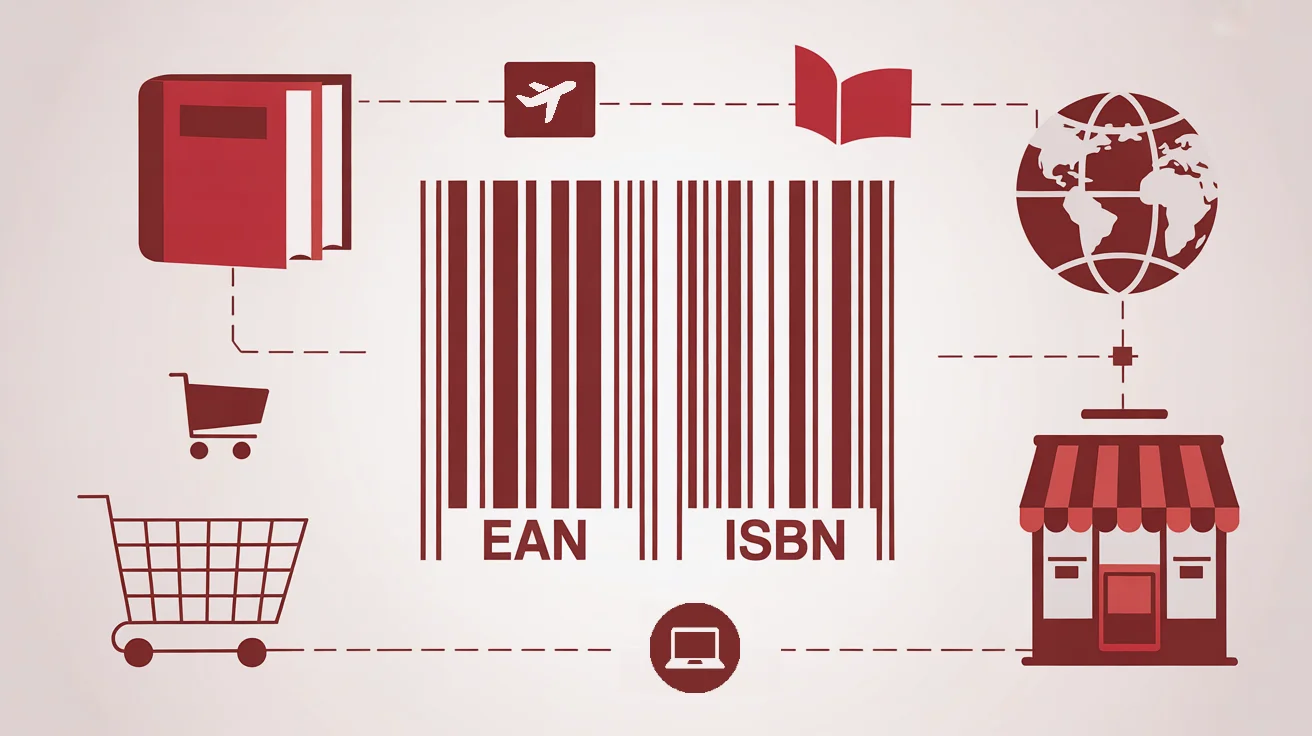
From January 1, 2007, the book industry underwent a massive silent shift. All new ISBNs changed from 10 digits to 13 digits. Why? To finally integrate books into the larger, global family of product numbering known as the EAN system.
Let me break down what this system is, why it exists, and why it matters to you as an author or publisher.
What is the EAN?
Originally, EAN stood for European Article Number. But as with many things “European,” it turned out to be so useful that the rest of the world adopted it. Today, it officially stands for International Article Number, though the abbreviation EAN stuck.
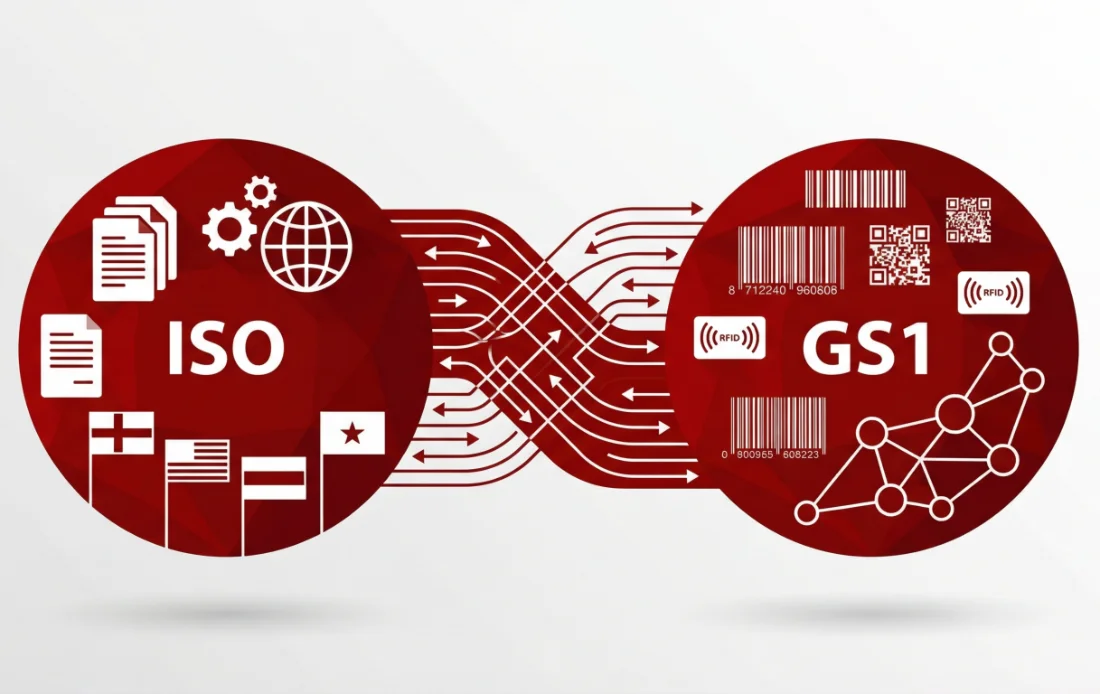
The EAN system is identifying retail products worldwide. It is administered by GS1, the global standards organization that oversees supply chain standards.
Think of GS1 as the “Godfather” of barcodes. Whether it’s a can of beans or your latest novel, if it scans at a checkout counter, GS1 defined the rules for how that number works.
EAN vs. UPC
If you’re in North America, you might be scratching your head. “Don’t we use UPCs?”
Yes and no.
The UPC (Universal Product Code) is a 12-digit number that has historically been the standard in the US and Canada. The EAN is a 13-digit number used everywhere else.
For a long time, this was a headache. If you wanted to sell a US product in Europe, you had to re-label it. But in global trade, friction costs money. So, an initiative known as 2005 Sunrise forced all US and Canadian retailers to update their systems to accept 13-digit EAN codes alongside 12-digit UPCs.
This 2005 Sunrise initiative was the precursor to the 2007 ISBN shift. It paved the way for the two systems to effectively amalgamate. Now, your book’s barcode is an EAN-13, and it scans just fine at a Walmart in Ohio or a Waterstones in London.
Anatomy of the EAN-13 (and Your ISBN)
The EAN-13 uses 13 digits to uniquely identify a retail product. These aren’t random numbers; they are logically divided into four distinct groups.
Let’s dissect it:
1. System Code (The Country Code)
This is the first 2 or 3 digits. Generally, this identifies the country of the manufacturer. For example, 30 - 37 is France, 50 is the UK.
But books? Books are special. For ISBNs, the system code is either 978 or 979.
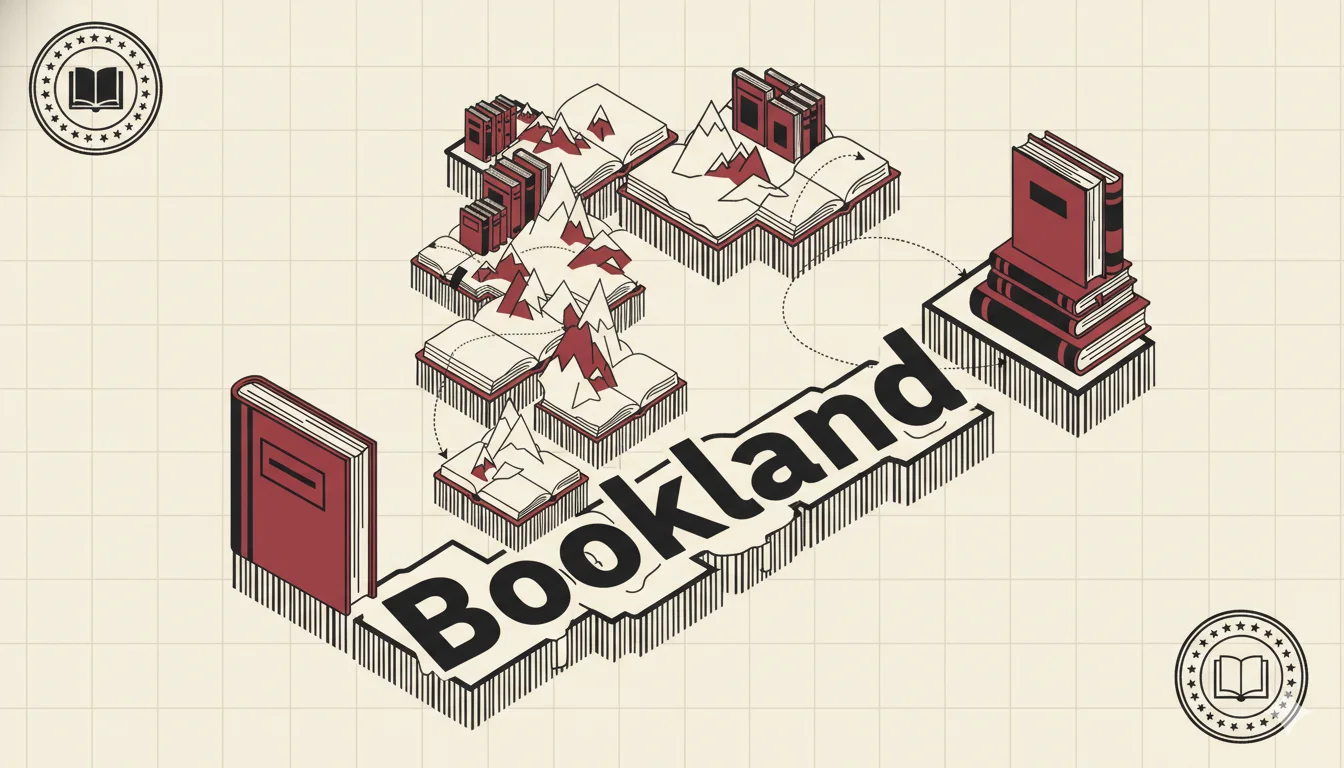
These codes signify a fictitious country called Bookland. Yes, really. By creating a “country” where all books come from, the formerly 10-digit ISBN system was able to be subsumed entirely into the 13-digit EAN system without clashing with country codes for chewing gum or sneakers.
2. Manufacturer Code
This comprises the next 4 or 5 digits. In the EAN world, this identifies the manufacturer. In the book world, this identifies the Publisher.
- If the System Code is 2 digits, the Manufacturer Code is 5 digits.
- If the System Code is 3 digits, the Manufacturer Code is 4 digits.
This variable length is smart, it saves space.
3. Product Code
This comprises the next 5 digits. It uniquely identifies the specific product (your book title) within that manufacturer’s output.
4. Check Digit
This is the final digit. It’s a mathematical safeguard used to identify errors in transcription or scanning. If you swap two numbers by accident, the check digit calculation will fail, and the computer knows the number is invalid.
Note: For a deep dive into how this math works, check out our guide on the Anatomy of a 13-digit ISBN.
Why Does This Matter to Authors?
You might be thinking, “I just want to write books, not manage logistics.”
Here is the reality: Retailers do not care about your book; they care about your product.
To a retailer, your book is a unit of inventory. It needs to be received, stocked, scanned, sold, and tracked. The EAN system is the language their computers speak.
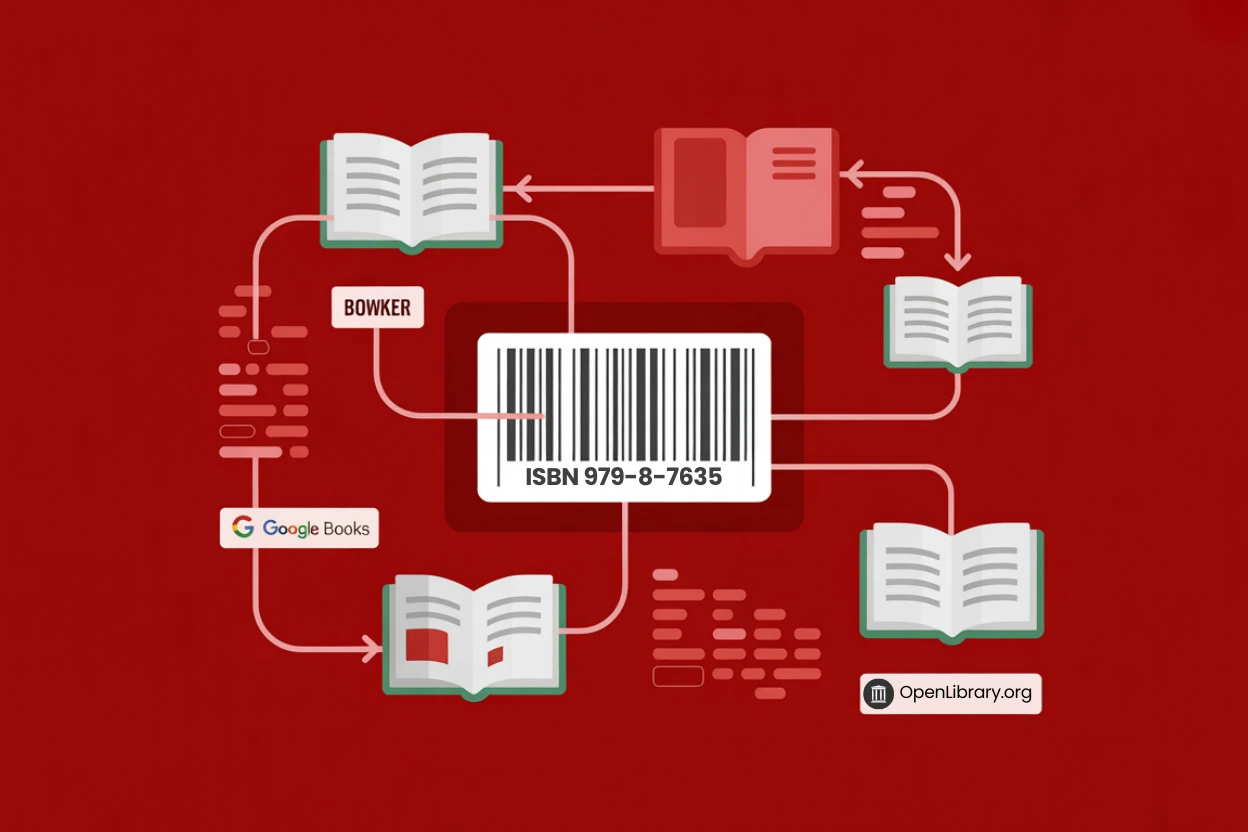
If you are a self-publisher, you don’t need to “buy an EAN” separately from your ISBN. Since 2007, your ISBN-13 IS your EAN. They are one and the same. When you buy an ISBN from Bowker (in the US) or Nielsen (in the UK), you are effectively buying a global passport for your product to travel through the EAN network.
Final Thoughts
The integration of ISBNs into the EAN system was a necessary step for the global book trade. It removed the barriers between “book numbers” and “retail numbers,” allowing books to flow more easily through international supply chains.
While I often criticize the bureaucracy of agencies like Bowker for their pricing monopolies, the EAN system itself is a rare example of a standard that actually works. It allows a small indie author to have the exact same global discoverability potential as a massive publishing house.
If you have an old 10-digit ISBN and want to see what its modern EAN-13 equivalent is, you can use our ISBN Converter tool. And mostly importantly, make sure you get your barcode right, because if it doesn’t scan, it doesn’t sell.

Araix Rand
Book Publicist
Araix has been helping authors with self-publishing and marketing their books. Additionally, he writes for various business and marketing blogs.
More posts by Araix Rand