The Struggle of Obtaining BookScan Data: Circana vs. Nielsen
Why is it so hard to find out how many copies a book has sold? We dive into the confused world of BookScan, the Circana vs. Nielsen monopoly, and what small businesses can do about it.
If you ask me, one of the most frustrating questions in the publishing world sounds simple: “How many copies did that book sell?”
Whether you are an aspiring author doing market research, or a small publisher trying to spot trends, you have probably hit the same brick wall. You search for “book sales data” or “bestseller numbers” and find… nothing. Or rather, you find expensive corporate gates slam shut in your face.
This is the hidden struggle of the book industry: the battle for data. And at the center of it are two names that essentially mean the same thing: Nielsen and Circana.
The Name Game: Nielsen vs. Circana
First, let’s clear up the confusion, because these companies don’t make it easy.
For decades, Nielsen BookScan was the global gold standard. They were the ones collecting data from cash registers (point-of-sale) at bookstores, supermarkets, and online retailers. If a book was beeped at a checkout, Nielsen likely knew about it.
But recently, the landscape fractured:
- Globally (UK, Australia, India, etc.): It is largely still Nielsen BookScan.
- In the USA: Nielsen sold its US book data business. It became NPD BookScan for a while, and as of 2026, it is now Circana BookScan.
So, when you hear people talking about “Nielsen data” in the US, they actually mean Circana. But here is the catch: they are essentially the same machine with different owners. And crucially, they don’t really compete. They divide the map. This creates what feels remarkably like a monopoly on truth in the publishing industry.
Why You Can’t See the Data
You might wonder, “If this data exists, why can’t I just pay $50 to see it?”
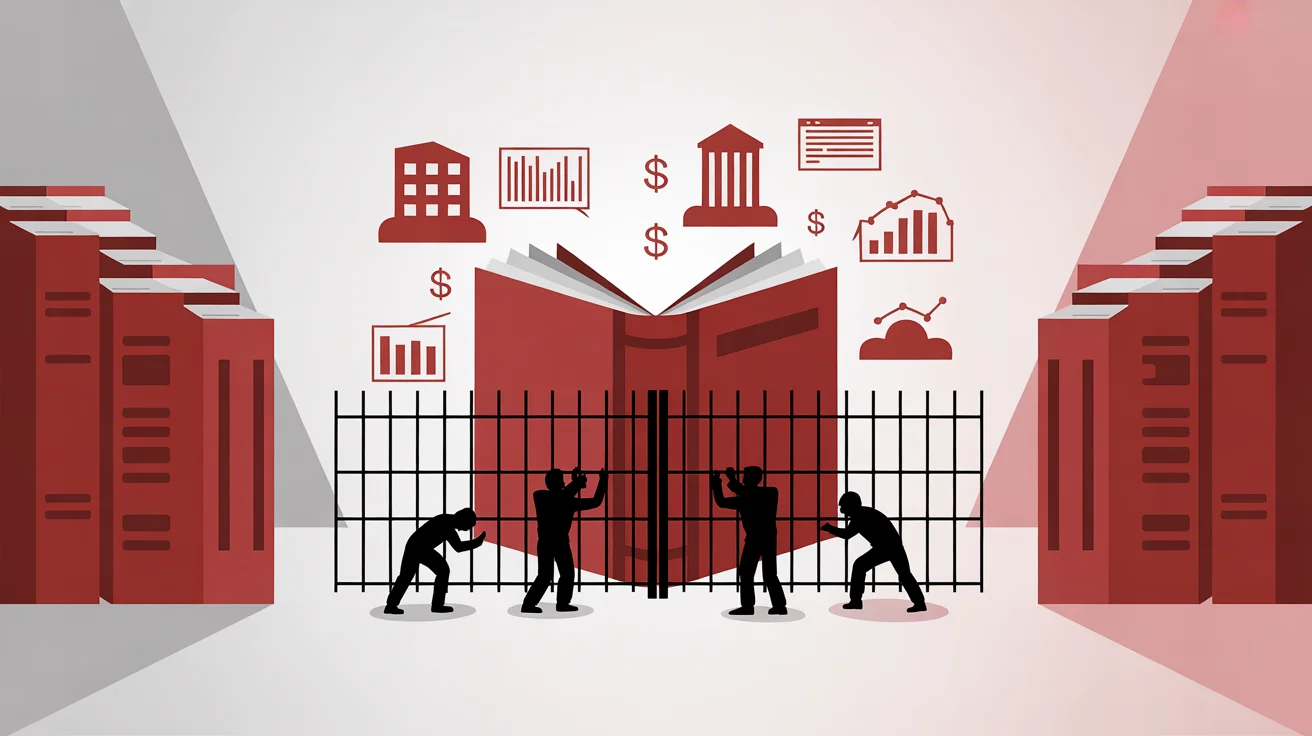
Because you are not the target customer. These services are built for the giants the “Big 5” publishers, massive retail chains, and media conglomerates.
1. The Cost is Prohibitive
We are talking about subscriptions that can cost tens of thousands of dollars a year. For a small business or an independent author, that is simply impossible. It’s a classic gatekeeper dynamic: to see the market clearly, you have to be rich enough to buy the glasses.
2. The “Insider Club”
It operates on a B2B (Business to Business) model. Big publishers often trade their own sales data to these providers in exchange for access to the wider market data. If you are a small indie press with three books, you don’t have enough leverage to join the club.
3. The ISBN Connection
It’s worth noting that Bowker, the official US ISBN agency, has a history of selling this data (through services like PubTrack). It reinforces a feeling many indie authors have: the agencies that sell us the mandatory identifiers (ISBNs) also seem to control the dashboard that tells us if those IDs are actually selling. It feels like the house always wins.
Learn how to Obtain an ISBN as a indie author.
Alternatives for the Rest of Us
So, if we can’t afford the “official” BookScan numbers, are we flying blind? Not entirely. While we can’t get the exact granular data, there are workarounds for the scrappy researcher.
1. Amazon Author Central (Free-ish)
If you just want to track your own print book sales, primarily on Amazon, Amazon Author Central gives you a free access to a limited version of BookScan. It shows you geography where your books are selling, which is helpful. But it won’t tell you how many copies Stephen King sold last week.
2. Publisher Rocket
For market research, Publisher Rocket is one of the distinct tools that “democratizes” this data. It doesn’t have the raw BookScan feed, but it reverses-engineers Amazon Sales Rank data to give you a very good estimate of daily lists and sales. For a one-time fee, it’s a lot more accessible than a corporate subscription.
3. Publishers Marketplace
If you need to peek behind the curtain for a specific reason (like checking comps for a book proposal), Publishers Marketplace offers a subscription (around $25/month add-on) that lets you look up BookScan data for a limited number of titles. It requires a membership to see the pricing, but it’s the “middle ground” between zero data and a $10,000 contract.
4. Bookstat
There is also Bookstat, which claims to track online sales (including ebooks and audiobooks) better than the traditional scanners. However, like its rivals, it lacks clear public pricing. It helps fill the gap (since BookScan historically struggled with capturing ebook usage), but it’s still another paid wall.
The Bottom Line
There is a huge market need for affordable, transparent book sales data. Small businesses, literacy charities, and indie authors all need to know what people are reading.
Until the industry changes, we have to recognize the reality: the “official” numbers from Circana and Nielsen are a luxury product. But don’t let that stop you. Focus on the metrics you can control, your email list growth, your direct sales, and your own dashboard trends. The best data is the data you own.
Have you struggled to find sales data for your niche? Let us know your experience in trying to navigate the BookScan maze.

Araix Rand
Book Publicist
Araix has been helping authors with self-publishing and marketing their books. Additionally, he writes for various business and marketing blogs.
More posts by Araix Rand