Vanity Presses vs Hybrid Publishers: Why Self-Publishing is the Better Choice for Authors
Tired of confusing publishing options? This guide exposes the truth about vanity presses and hybrid publishers, why they often fail authors and why true self-publishing gives you complete control. Learn how indie authors can hire individual experts on platforms like Fiverr for each step of their publishing journey.
The publishing world is filled with promises. Traditional publishers promise prestige. Vanity presses promise to make your dream come true. Hybrid publishers promise the best of both worlds. But here’s the uncomfortable truth that nobody wants to tell you: most of these promises are empty.
If you’re an aspiring author looking to get your book into the world, you’ve probably stumbled upon vanity presses and hybrid publishers claiming to offer you “traditional publishing services” while taking your money upfront. Let me save you thousands of dollars and countless headaches by breaking down what these companies really are and why true self-publishing is your best path forward.
What is a Vanity Press?
A vanity press (also called a subsidy publisher) is a publishing company that charges authors upfront fees to publish their books. Unlike traditional publishers who invest in your book and pay you advances and royalties, vanity presses flip the model: you pay them and they also own ownership in your book.
The term “vanity” comes from the idea that these companies prey on an author’s desire (or vanity) to see their name in print. They’ll accept virtually any manuscript because their business model doesn’t depend on selling books, it depends on selling publishing packages to hopeful authors.
Warning signs of a vanity press:
- They require upfront payments (often $1,000 to $20,000+)
- They accept almost every manuscript without quality control
- They claim to provide “traditional publishing services”
- They offer vague marketing promises
- Poor distribution channels (your book won’t actually appear in bookstores)
- You retain little to no control over pricing and design
- They pressure you into buying “premium packages”
Popular examples include companies like Author House, Xlibris, iUniverse, and Publish America. While they may produce a physical book, the quality is often subpar, distribution is virtually non-existent, and authors rarely recoup their investment.
What is a Hybrid Publisher?
Hybrid publishing is supposed to be a middle ground between traditional publishing and self-publishing. The idea is that you pay for professional publishing services (editing, design, distribution) while retaining more rights and royalties than you would with a traditional publisher.
Sounds great in theory, right? Here’s where it gets murky.
The hybrid publishing industry is completely unregulated. Anyone can call themselves a “hybrid publisher.” This has led to vanity presses rebranding themselves as “hybrid” to escape the stigma while continuing the same predatory practices.
Signs of a legitimate hybrid publisher:
- Selective manuscript acceptance (they have quality standards)
- Transparent pricing with itemized services
- Industry-standard distribution (Ingram, Baker & Taylor)
- Higher royalty rates (50%+ typically)
- Author retains rights to their work
- Clear exit clauses in contracts
Signs of a vanity press disguised as hybrid:
- Accepts every manuscript submitted
- Vague about where the money goes
- Promises bookstore placement without evidence
- Locks you into long contracts
- Takes a significant cut of your royalties despite you paying upfront
- Aggressive upselling tactics
The problem is that even legitimate hybrid publishers charge significant fees, often $5,000 to $30,000 and the services you receive may not justify the cost when you could hire individual experts for a fraction of the price.
The Uncomfortable Truth About Traditional Publishing
Before we dive deeper into why vanity presses and hybrid publishers are problematic, let’s address the elephant in the room: traditional publishing isn’t the golden ticket authors believe it to be.
Here are some statistics that should make every aspiring author pause:
| Statistic | Reality |
|---|---|
| Books that break even | Only ~35% of traditionally published books are profitable |
| Books selling under 1,000 copies | 66% of books from top 10 publishers |
| Books selling under 12 copies | 15-19% of books from Big Five publishers |
| Books that fail to sell 5,000 copies | 86% of all published books |
| New titles selling 5,000+ copies | Less than 1% |
Let that sink in. Traditional publishers lose money on the majority of books they publish. And here’s what this means for you as an author:
Publishers don’t market YOUR book they market books that are already selling.
Publishing is a business. When a traditional publisher signs you, they’re making a calculated bet. If your book doesn’t show immediate promise, they’ll shift their marketing budget to books that do. That debut novel from an unknown author? It gets a minimal marketing push. That celebrity memoir or established bestselling author’s new release? That’s where the money goes.
This is why vanity presses and hybrid publishers are so attractive to desperate authors. After years of rejection from traditional publishers, authors are willing to pay for the “traditional publishing experience.” But here’s the brutal truth:
Vanity presses and hybrid publishers can’t deliver what traditional publishers can’t either.
If traditional publishers with massive distribution networks, established relationships with bookstores, and dedicated marketing teams still fail with 65% of their books, what chance does a vanity press with none of those resources have?
Vanity Press vs Hybrid Publisher: Key Differences
Let’s break down how these two models actually compare:
| Factor | Vanity Press | Hybrid Publisher |
|---|---|---|
| Upfront Cost | $1,000 - $20,000+ | $5,000 - $30,000+ |
| Manuscript Selection | Accepts everything | Selective (if legitimate) |
| Quality Control | Minimal to none | Variable (depends on company) |
| Rights Ownership | Often complicated | Usually author-retained |
| Royalties | Very low (10-30%) | Higher (40-70%) |
| Distribution | Poor to non-existent | Variable (may include Ingram) |
| Marketing | Empty promises | Limited, usually extra cost |
| Contract Terms | Often predatory | Varies widely |
| Industry Reputation | Negative | Mixed |
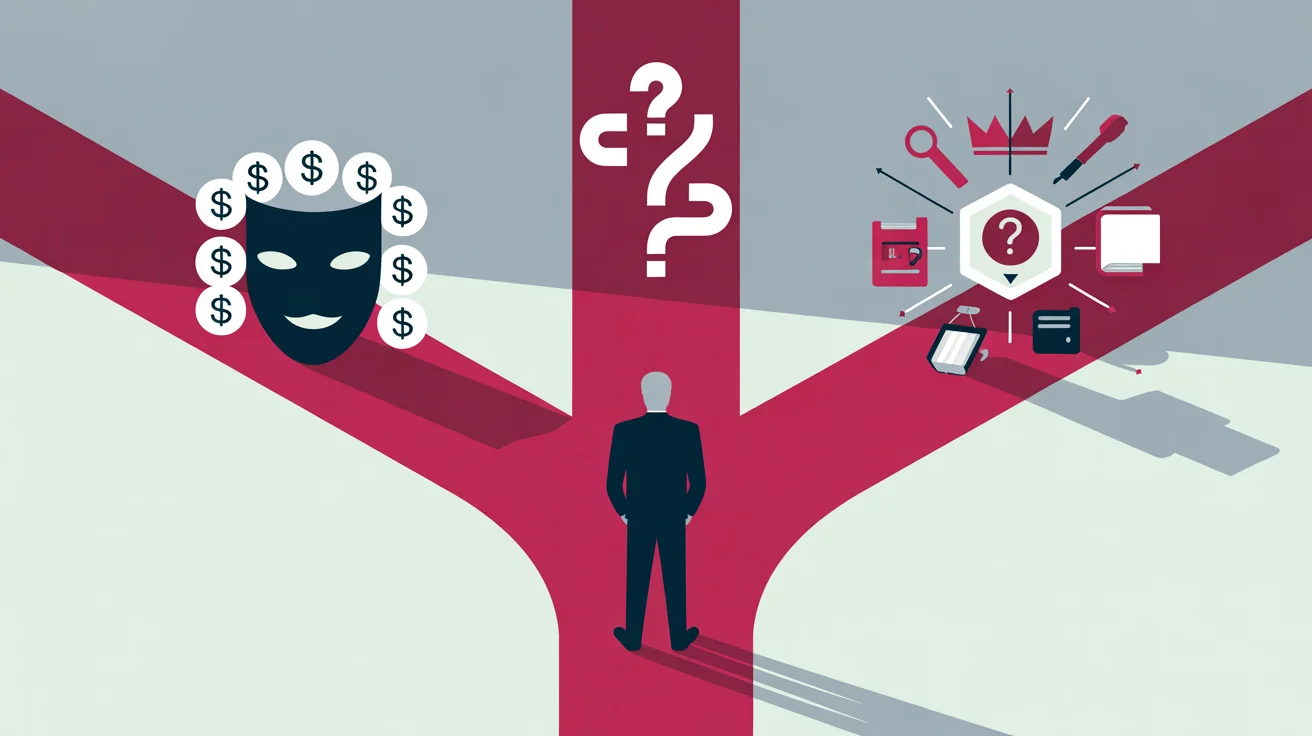
Here’s my honest assessment: both models fundamentally fail authors because they create a middleman that adds cost without proportional value.
Both vanity presses and hybrid publishers position themselves as providing “traditional publishing services.” But let’s be real, they’re providing services you can hire directly for less money and better quality.
Why Self-Publishing is the Superior Choice
True self-publishing puts you in complete control. You’re the publisher. You make all the decisions. You keep the majority of the profits. And with today’s tools and platforms, you can achieve professional results without paying a bloated middleman.
Complete Creative Control
- Cover Design: You choose the designer and approve the final design
- Interior Layout: Your book looks exactly how you want it
- Pricing: You set competitive prices to maximize sales
- Distribution: You choose where your book is available
- Timeline: You publish when YOU’RE ready
Higher Profit Margins
| Platform | Royalty Rate |
|---|---|
| Amazon KDP (eBook) | 35-70% |
| Amazon KDP (Print) | 60% minus printing |
| IngramSpark | Up to 55% |
| Draft2Digital | 65-70% |
| Vanity Press | 10-30% |
When you self-publish directly, you keep significantly more of each sale. A $15 paperback on Amazon KDP nets you roughly $5-6. The same book through a vanity press might earn you $1-2.
Pay Only for What You Need
This is the key difference. Vanity presses and hybrid publishers bundle services together at inflated prices. True self-publishing lets you hire individual experts for exactly what you need:
- Need a book cover? Hire a cover designer.
- Need editing? Hire an editor.
- Need formatting? Hire a formatter.
- Need marketing help? Hire a marketing specialist.
You pay for expertise, not overhead. And platforms like Fiverr make finding these professionals easier and more affordable than ever.
Build Your Publishing Team with Freelancers
Here’s the secret that vanity presses don’t want you to know: you can hire individual experts for every step of your publishing journey, often for less than 10% of what a vanity press charges.
Let me break down the typical costs:
| Service | Vanity Press Cost | Freelancer Cost (Fiverr) |
|---|---|---|
| Book Cover Design | $300 - $1,500 | $50 - $300 |
| Developmental Editing | $2,000 - $5,000 | $300 - $1,500 |
| Copy Editing | $1,000 - $3,000 | $150 - $800 |
| Proofreading | $500 - $1,000 | $50 - $300 |
| Interior Formatting | $300 - $800 | $50 - $200 |
| eBook Conversion | $200 - $500 | $30 - $100 |
| ISBN Registration | Included (but you don’t own it) | $39 (your own ISBN) |
Total with Vanity Press: $5,000 - $15,000+
Total with Freelancers: $700 - $3,200
The math speaks for itself.
Step-by-Step: Hiring Freelancers on Fiverr
Fiverr.com is the best platform for indie authors to find professional freelancers for every step of the publishing process. Here’s how to build your publishing team:
1. Book Cover Design
Your cover is your most important marketing tool. On Fiverr, search for “book cover design” and filter by:
- Your genre (fiction, non-fiction, romance, thriller, etc.)
- Budget range
- Seller rating (4.7+ stars recommended)
- Delivery time
Tips:
- Always check the seller’s portfolio for similar work
- Read reviews from other authors
- Communicate your vision clearly before ordering
- Request multiple concepts in your order
2. Book Editing
Editing comes in several levels. Hire different freelancers based on your needs:
- Developmental Editing: Big-picture feedback on structure, plot, character development
- Line Editing: Sentence-level improvements for flow and style
- Copy Editing: Grammar, punctuation, consistency
- Proofreading: Final polish for typos and errors
Search for “book editing [your genre]” on Fiverr.
3. Book Formatting
Your interior layout needs to look professional in both print and digital formats. Search for:
- “Kindle eBook formatting” for digital versions
- “Print book formatting” for paperback/hardcover
- “IngramSpark formatting” for print distribution
Professional formatters understand the technical requirements for each platform and will deliver print-ready PDF files and properly formatted EPUB/MOBI files.
4. Additional Services
Beyond the core services, you can find freelancers for:
- Book description/blurb writing
- Author biography writing
- Social media graphics
- Audiobook production
- Book trailers
- Author website design
- Amazon A+ content
- Marketing and promotion
How to Vet Freelancers
- Check Portfolio: Make sure their style matches your vision
- Read Reviews: Look for feedback from other book authors
- Communicate First: Send a message before ordering to gauge responsiveness
- Start Small: For new relationships, consider a smaller test project first
- Be Clear: Provide detailed briefs to ensure you get what you want
- Request Revisions: Most sellers include revision rounds, use them
The Self-Publishing Advantage: Your ISBN, Your Rights
When you self-publish, you can purchase your own ISBN and register as the publisher of record. This gives you:
- Complete Ownership: You own your book’s identity forever
- Professional Appearance: Your imprint name appears as publisher
- Flexibility: Use your ISBN on any self-publishing platform
- Credibility: Bookstores and libraries recognize legitimate ISBNs
Compare this to vanity presses where the ISBN belongs to them and they also own ownership in your book. If you want to leave and republish elsewhere, you may need a new ISBN, meaning you lose all existing sales data, reviews, and distribution relationships.
Final Verdict
Let me be direct with you: vanity presses are predatory, hybrid publishers are overpriced, and traditional publishing is a lottery you’re unlikely to win.
Self-publishing is the only model that puts authors first. You control your work, your income, and your future. Yes, it requires learning new skills and managing multiple freelancers. But the payoff in both money and creative freedom is worth it.
Here’s your action plan:
- Write your best book – This is the foundation of everything
- Get a professional cover – Hire a designer on Fiverr ($100-300)
- Invest in editing – At minimum, get copy editing and proofreading ($200-500)
- Format for publishing – Hire a formatter or learn to do it yourself ($50-200)
- Get your own ISBN – Purchase directly to maintain ownership ($39)
- Publish on multiple platforms – Amazon KDP, IngramSpark, Draft2Digital
- Market consistently – This is where long-term success comes from
The publishing industry wants you to believe you need them. You don’t. Everything you need to become a successful published author is available to you right now, you just need to take control and do it yourself.
Don’t give your money to companies making promises they can’t keep. Invest in yourself and build a publishing career you control.
The Challenge of Going Solo
Here’s the honest truth about the DIY approach: hiring freelancers takes time, patience, and a lot of back-and-forth communication. You’ll spend hours searching for the right cover designer, vetting editors, coordinating timelines, and managing revisions across multiple freelancers. For some authors, this is part of the fun. For others, it’s an exhausting distraction from what they do best writing.
If you find yourself overwhelmed by the publishing process, or if you simply want a trusted partner who understands indie publishing inside and out, there’s another option.
Let Bookllo Publishing Handle the Heavy Lifting
At Bookllo Publishing, we take pride in our expertise when it comes to polishing books for better visibility and sales. We understand that as a writer, your focus should be on getting your work out into the world and connecting with readers not getting lost in the technical details of formatting, distribution, and marketing.
What sets us apart:
- Expertise You Can Trust: We specialize in helping indie authors navigate every step of the publishing journey, from manuscript to marketplace
- Marketing That Works: We focus on reaching more readers through strategic book marketing and visibility optimization
- Affordable Pricing: No hidden fees, no bloated packages, just transparent service costs you can plan around
- Author-First Approach: Unlike vanity presses, we succeed when YOU succeed. Your book sales matter to us.
Whether you need help with book formatting, cover design coordination, distribution setup, or a complete publishing package, we’re here to make your self-publishing journey smoother and more successful.
Ready to publish your book the right way? Contact Bookllo Publishing today for a free consultation and discover how we can help you reach more readers without the vanity press price tag.

Araix Rand
Book Publicist
Araix has been helping authors with self-publishing and marketing their books. Additionally, he writes for various business and marketing blogs.
More posts by Araix Rand